
Fragrance is the only part of a beauty routine that other people experience before they see you — and the part most of us buy worst. We fall for a friend’s signature, a bottle, a note in a magazine, then wonder why it vanishes by noon or turns sharp in the heat. Choosing well is a skill, and it starts with understanding what you’re actually smelling.
Learn the three acts
Every perfume unfolds in stages. Top notes — usually citrus, herbs or light fruits — greet you first and fade within twenty minutes. Heart notes, often florals or spices, carry the next few hours. Base notes — woods, musks, ambers, vanilla — are what you and everyone near you live with for the rest of the day. The classic mistake is buying on the top notes at the counter. Never judge a fragrance before the base has arrived.
Test like a professional
Spray on skin, not paper, because your skin’s chemistry changes everything. Test at most three fragrances per visit, one per zone — each wrist and one inner elbow — and write down which is where. Then leave the shop. Smell them at the one-hour mark, at four hours, and before bed. The one you keep returning to without meaning to is the answer; the one you have to keep checking on is not.
Match concentration to your life
Eau de toilette is lighter, brighter and made for daytime, offices and heat. Eau de parfum lasts longer and projects further — better for evenings and cooler weather. If you love a scent that fades fast, layering the matching body lotion underneath will extend it more gracefully than extra sprays. And apply to skin that’s moisturised: fragrance clings to hydrated skin and slides off dry skin.
Build a small wardrobe, not a museum
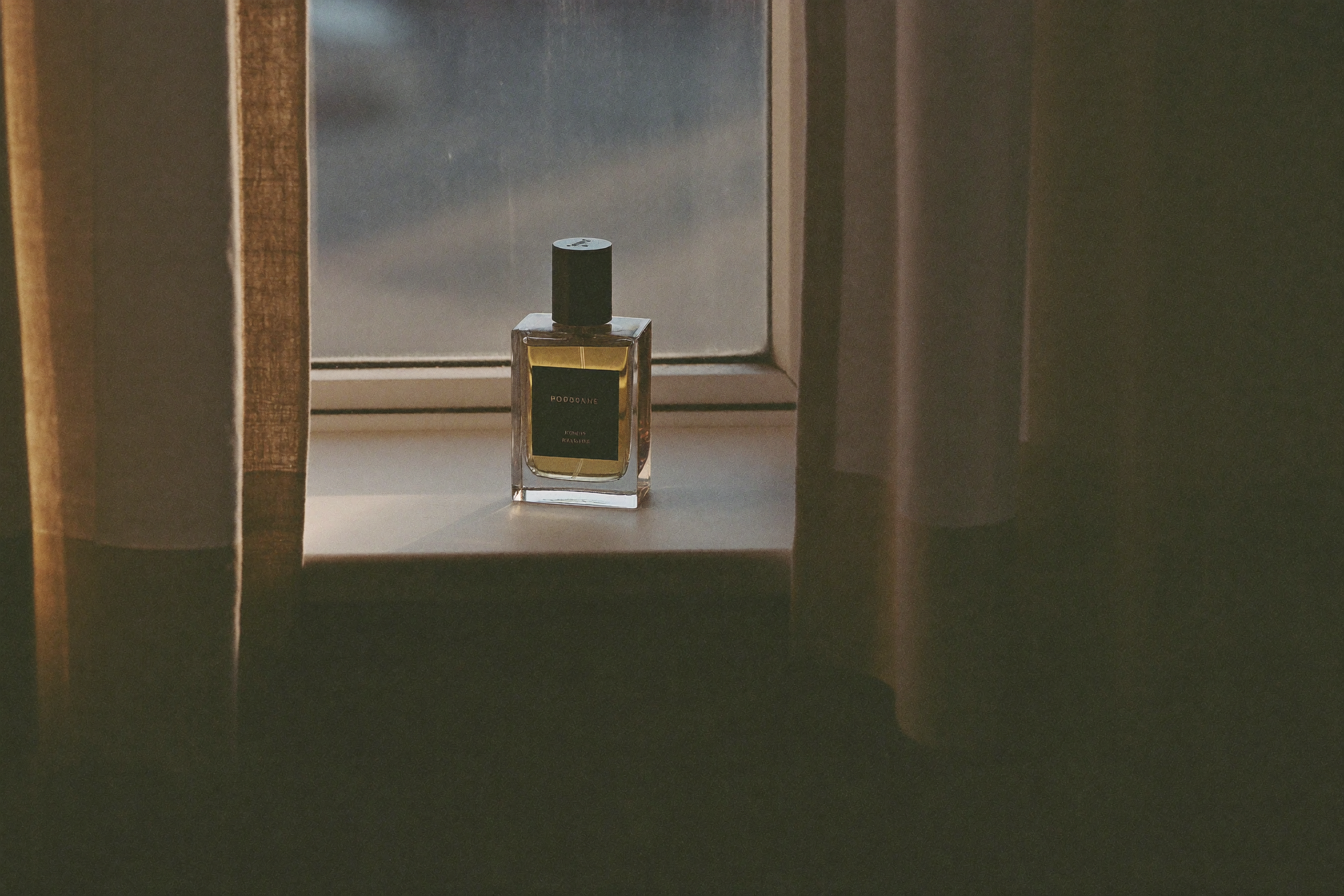
Most people are perfectly served by three bottles: something fresh for every day, something warmer for evenings, and one wildcard that’s purely for joy. Store them away from sunlight and bathroom humidity — a bedroom drawer beats a windowsill vanity — and a well-kept bottle will stay true for years.
The signature question
A signature scent is lovely, but it’s a destination, not a starting point. Wear a fragrance through at least one full season before you commit; a perfume that shines in December can suffocate in July. When you find the one that makes you feel most like yourself in every temperature, buy the big bottle and never apologise for wearing it.
Reading a fragrance description like an insider
Perfume marketing has its own dialect, and translating it saves money. Fresh usually means citrus or aquatic top notes that vanish within the hour — lovely, but check what sits underneath before buying. Gourmand means edible notes (vanilla, caramel, coffee) that amplify on warm skin. Chypre and fougère signal classic, structured compositions that read more formal. Skin scent means subtle to the point of privacy — wonderful for offices, frustrating if you want compliments. And long-lasting on the box means little; longevity lives in concentration and your own chemistry, which is why our skin chemistry guide matters more than any label. When a description leans entirely on mood words — captivating, magnetic, unforgettable — and never names a single note, the marketing budget probably outran the formula.
Frequently asked questions
Why does my perfume disappear after an hour?
Either dry skin (fragrance clings to moisture — apply unscented lotion first), or you have gone nose-blind to it. Ask someone honest before rebuying something stronger.
Are dupes and clones worth it?
Some are startlingly close for the first hour, then diverge at the base. For a scent worn occasionally, fine; for a signature you will wear for years, the drydown of the original is usually what you fell for.
How many sprays is polite?
Two to four on skin, chosen for the setting. If anyone can smell you before they see you, subtract one tomorrow.