
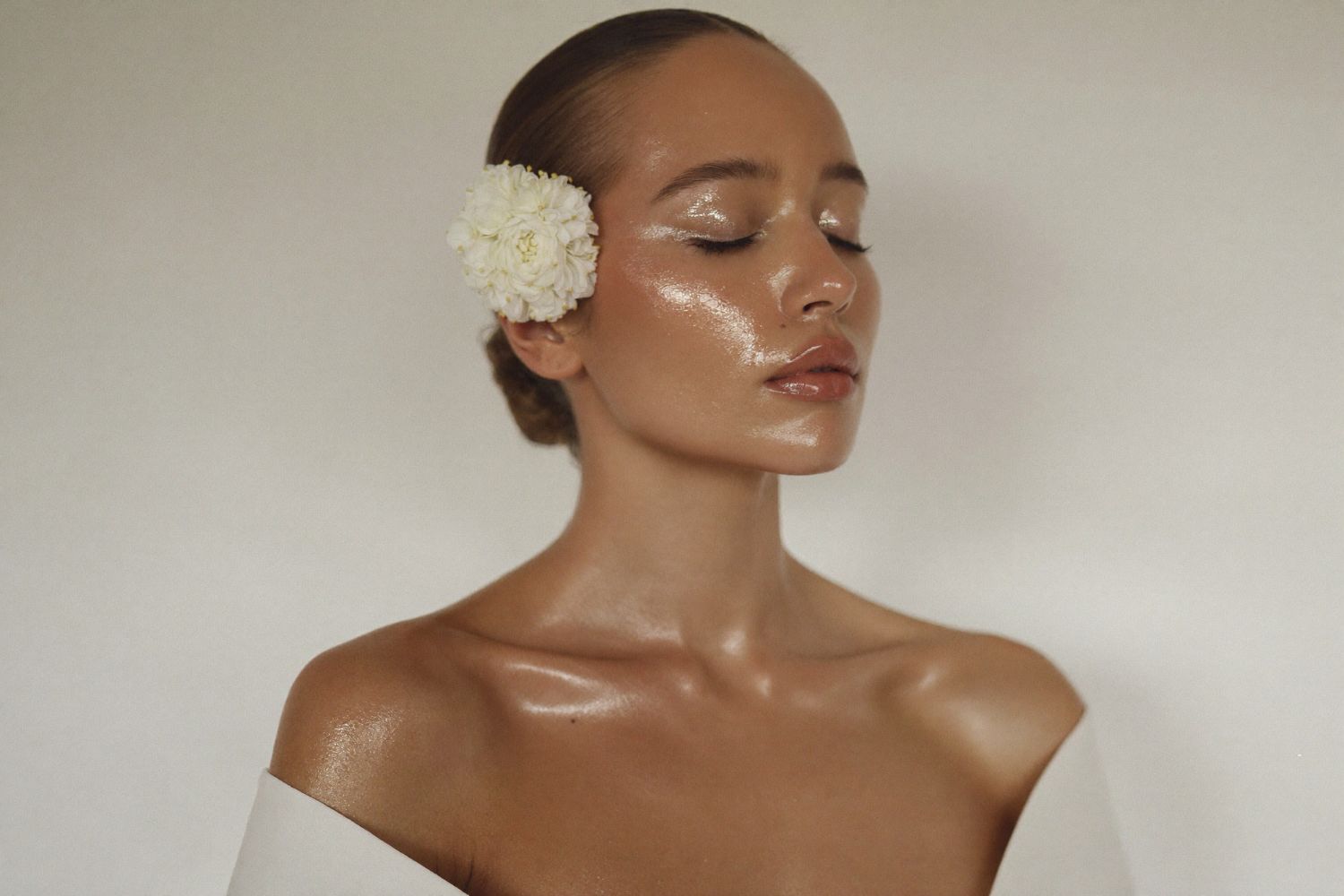
Wedding planning has a way of making an ordinary skincare question feel urgent: when should I start? Six months is a comfortable runway if you have it, but it is not a medical deadline and you do not need a shelf of new products. The useful goal is to make a simple routine predictable well before the photographs.
Why six months is the number
Because time gives you room to notice what your skin actually tolerates. Acne, persistent pigment and inflammatory conditions may need professional treatment, and results vary by diagnosis and product. Six months also leaves space to stop something that irritates you without trying to “fix” the reaction days before the ceremony.
The point is not to begin every active six months out. It is to settle on a gentle cleanser, moisturiser and daily broad-spectrum sunscreen, then address specific concerns one at a time. If you are pregnant or trying to conceive, review retinoids and other medicated products with your obstetrician or dermatologist before using them.
The month-by-month timeline
| When | Focus | Specifics |
|---|---|---|
| 6 months out | Foundation | Keep the routine simple; book a dermatologist if acne, pigment or irritation needs treatment |
| 5 months out | Consistency | Use products you tolerate and take occasional photos in the same light |
| 4 months out | Review | Check progress and adjust one thing at a time, ideally with professional guidance |
| 3 months out | Protect | Avoid impulsive procedures; keep sunscreen and moisturiser consistent |
| 2 months out | Plan | Trial brow or hair-removal timing if these are part of your usual routine |
| 1 month out | Keep it familiar | Do not introduce an untested active or first-time procedure |
| 2 weeks out | Low risk only | Choose only familiar services and follow your provider’s timing advice |
| Final week | Steady routine | Gentle cleansing, moisturiser and sunscreen; resist last-minute experiments |
This slots neatly alongside our 6-month bridal beauty countdown, which covers hair, makeup trials and the rest of the schedule.
The last month is for protecting your progress, not making more.
What to do in the final two weeks
Keep the routine familiar. Regular sleep and normal hydration will do more for how you feel than a last-minute peel or a new serum. If alcohol tends to disrupt your sleep or leave you flushed, keep that in mind during the final celebrations. Moisturise as usual and use broad-spectrum sunscreen when you are outdoors.
Book your makeup trial well before this window so there are no surprises — the bridal trial checklist covers what to photograph while you are in the chair.
What never to try before a wedding
Avoid first-time facials, strong peels and products you have never patch-tested close to the wedding. Recovery differs by treatment and by person, so ask the clinician or licensed provider who knows your skin how much time to leave. Use your normal hair-removal schedule, and patch-test any self-tan according to the instructions.
The pattern is simple: the last month is for things your skin already knows.
For ingredient safety, see the American Academy of Dermatology’s pregnancy skincare guidance. It advises avoiding prescription retinoids and over-the-counter retinol during pregnancy and discussing medicated skincare with your obstetrician or dermatologist.
If you have less time than that
Three months is enough time to make a basic routine consistent and seek help for a specific concern. It is not a reason to start a retinoid immediately or book a fixed number of facials. With one month, focus on familiar products and avoid aggressive changes. With two weeks, keep things calm and let your makeup artist work with the skin you have.
Frequently asked questions
When should I get my last facial before the wedding?
There is no universal date because “facial” can mean anything from a gentle service to a resurfacing procedure. Ask your provider about the normal recovery window, and do not schedule a first-ever treatment close to the wedding. If you know a gentle service agrees with your skin, leave the amount of time your provider recommends.
Should I start retinol before my wedding?
Only if it is appropriate for you. Retinoids can irritate, and they should be avoided during pregnancy; discuss them with a dermatologist if you are trying to conceive or treating acne or pigment. Do not start one simply because a wedding is approaching. If you already have professional clearance, our first-timer guide explains a cautious approach.
What if I break out the week of the wedding?
Do not pick it or test several new spot treatments at once. Use a product you already tolerate, and let your makeup artist know. For a large, painful blemish, a dermatologist can discuss in-office options; corticosteroid injections are medical procedures and are not suitable for every spot.
KEEP READING — follow the full schedule in the 6-month bridal beauty countdown, and confirm your type with the 2-minute skin type quiz.