
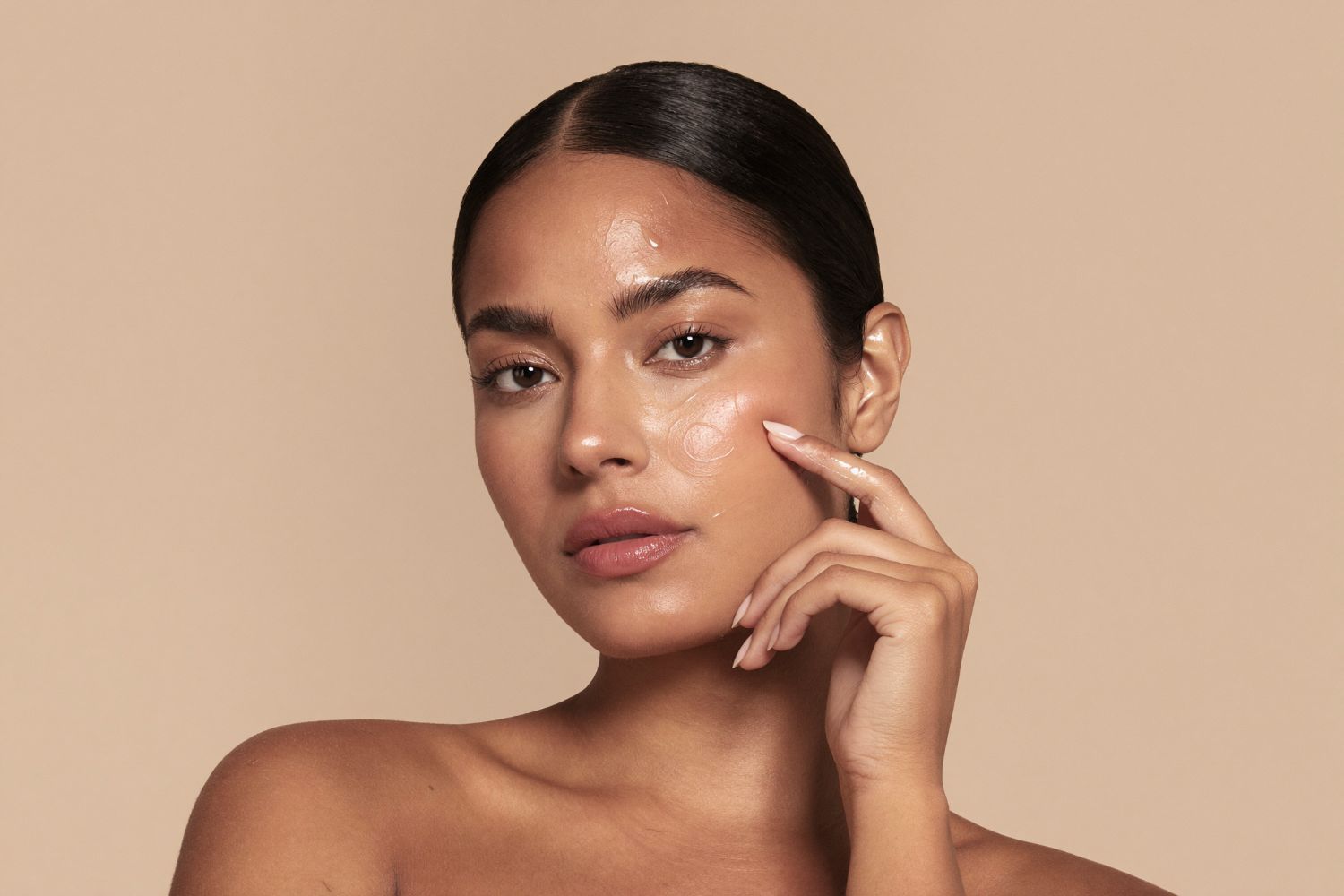
Your skin feels tight by mid-afternoon, looks dull in photographs, and no amount of rich moisturiser seems to fix it. Before you buy another cream, there is one distinction worth getting right: dry skin and dehydrated skin are not the same problem, and treating one as the other is why so many routines stall.
The one-sentence answer
Dry skin lacks oil; dehydrated skin lacks water. That single distinction determines everything else — dry skin is a type you are largely born with, while dehydration is a temporary state your skin passes through, and even the oiliest complexion can be dehydrated.
What the pinch test can — and cannot — tell you
The pinch test is often repeated online, but it is not a reliable way to diagnose facial dehydration. Clinicians use skin turgor as one of several signs when they are assessing significant fluid loss, and even then age, swelling and connective-tissue conditions can affect the result. A systematic review of skin-turgor measures found no single, consistently valid method. Treat the test as a clue, not a verdict.
A second clue: dehydrated skin often looks dull and flat with fine surface crinkling — especially under the eyes — while dry skin looks flaky, feels rough, and can go red or itchy.
Dry skin is who your skin is. Dehydrated skin is how your skin is doing this week.
Dry vs dehydrated: the comparison
| Dry skin | Dehydrated skin | |
|---|---|---|
| What is missing | Oil (sebum) | Water |
| Type or condition | A skin type — usually lifelong | A temporary condition — anyone can get it |
| How it looks | Flaky, rough, sometimes red | Dull, flat, fine surface lines |
| How it feels | Tight and rough all over | Tight but can still feel oily in places |
| Useful clue | Persistent flaking, roughness or itch | Temporary tightness, dullness or fine surface lines |
| What it needs | Oils, ceramides, richer textures | Humectants, water, barrier support |
How to treat dehydrated skin
Start with a gentle cleanser and a moisturiser that combines humectants, such as glycerin or hyaluronic acid, with ingredients that help slow water loss. Applying it while skin is still slightly damp is practical and comfortable. Niacinamide can also suit many routines, but it is not essential if your current moisturiser is working.
Then look at what changed. Extra exfoliation, a stronger cleanser, hot water, low humidity or a new retinoid can all leave skin feeling tight. Pause the likely irritant and simplify the routine for a while. If burning, cracking, persistent redness or itch continues, speak with a dermatologist rather than adding more products.
How to treat dry skin
Dry skin needs replacing, not just rehydrating: ceramides, squalane, shea, and richer occlusive textures at night. Cream cleansers rather than gels. Lukewarm water. And patience with actives — introduce retinoids slowly, buffered with moisturiser.
If you are not certain which type you actually have, our 2-minute skin type quiz and the bare-face test will settle it in an evening.
What makes skin dehydrated in the first place
Cold or dry weather, indoor heating, long hot showers, harsh cleansers and an over-busy routine can all increase water loss from the skin. Travel may make the pattern more noticeable because the air is dry and your usual routine changes. The useful question is not “Which stronger product do I need?” but “What started just before this tightness appeared?”
For practical dry-skin care, the American Academy of Dermatology recommends gentle cleansing, shorter warm showers and applying moisturiser while skin is still damp.
Frequently asked questions
Can you have oily and dehydrated skin at once?
Yes, and it is extremely common. Dehydrated skin sometimes over-produces oil to compensate, which is why people with shiny skin often feel tight underneath. Treat the water deficit and the oil usually settles.
How long does it take to fix dehydrated skin?
There is no dependable countdown. Mild tightness caused by a new product or dry weather may settle after you remove the trigger and moisturise consistently. If it does not improve, or if the skin becomes painful, cracked, very itchy or inflamed, arrange a dermatology appointment.
Does drinking more water fix dehydrated skin?
Drinking enough fluid matters for your health, but extra water is not a stand-alone treatment for a damaged skin barrier. A gentle routine and regular moisturiser address the surface directly. Signs of whole-body dehydration — such as marked thirst, dark urine or dizziness — are a separate health issue.
KEEP READING — get your type right first with the 2-minute skin type quiz, then layer everything in the correct routine order.