
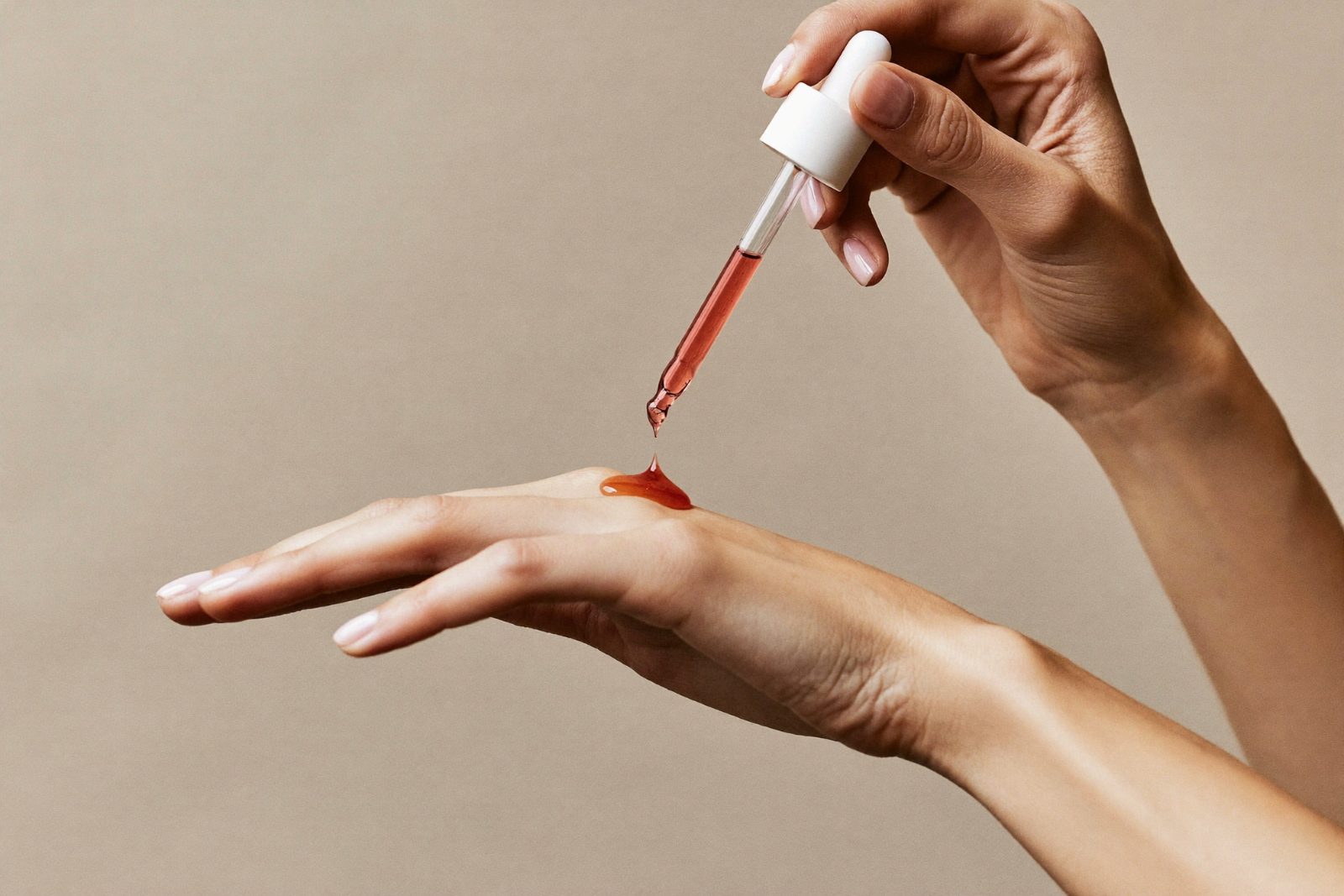
Half of your feed is suddenly talking about putting salmon DNA on their face, and searches for it have jumped five-fold this year. Behind the shock-value headline is PDRN — polydeoxyribonucleotide — a regenerative ingredient that moved from Korean dermatology clinics into serums on ordinary shelves. Here is what it actually does, what the research supports, and whether your routine needs it.
What is PDRN, exactly?
PDRN stands for polydeoxyribonucleotide — purified fragments of DNA, most often extracted from salmon and processed until only the biocompatible nucleotide chains remain. No fish proteins, no scales, nothing you could have an allergy to in the usual sense.
Why salmon? Its DNA fragments happen to be remarkably compatible with human skin biology. In regenerative medicine PDRN has been used for years in wound healing; K-beauty adapted the same logic for aging skin — give tired skin cells raw material and repair signals, and they behave more like younger ones.
What the research shows
The mechanism is unusually well described for a trend ingredient. PDRN activates adenosine A2A receptors — a repair signal that calms inflammation, encourages new blood-vessel formation and stimulates fibroblasts, the cells that make collagen. It also supplies pre-formed nucleotides skin can reuse for its own repair work.
A 2024 systematic review pooling nine clinical studies of 219 patients found consistent, statistically significant wrinkle reduction, texture improvement within three months, and measurable elasticity gains. One honest caveat: most of that evidence comes from injected or in-clinic polynucleotide treatments, not the serum in your basket.
PDRN is that rare viral ingredient where the science arrived before the hashtag.
Serum vs in-clinic: an honest comparison
| PDRN serum at home | In-clinic polynucleotide treatment | |
|---|---|---|
| Depth | Surface layers only | Delivered into the dermis |
| Evidence | Early; strongest for hydration and barrier support | Nine clinical studies, 219 patients, significant results |
| Results | Gradual glow and texture over 8–12 weeks | Wrinkle and elasticity change within ~3 months |
| Cost | Priced like a mid-range serum | Priced like a cosmetic procedure, per session |
| Best for | Curious beginners, maintenance, barrier support | Targeted rejuvenation with professional oversight |
How to use a PDRN serum
Treat it like any hydrating treatment serum: apply to clean, slightly damp skin, before moisturizer, morning or night. It follows the standard routine order — thin to thick — and it does not conflict with retinol, vitamin C or exfoliating acids.
Pairing tip: PDRN and niacinamide make an easy team — one signals repair while the other steadies the barrier. If your routine is already crowded, swap PDRN in for a plain hydrating serum rather than adding a step.
Who should (and should not) try it
Good candidates: skin that looks tired rather than troubled — dullness, early fine lines, post-breakout texture, or a barrier still recovering from an enthusiastic acid phase. It is gentle enough for sensitive skin, and it will not purge you, since it does not accelerate cell turnover the way actives that cause purging do.
Skip it if you follow a vegan routine — PDRN is animal-derived by definition — or if your budget covers only one active, in which case a proven retinoid still gives more change per pound. And active acne or rosacea flares deserve a professional plan before any trend ingredient.
For the clinical background, the peer-reviewed research on polydeoxyribonucleotide is a solid starting point.
Frequently asked questions
Is PDRN serum worth it?
If you want a gentle, science-adjacent hydrator with regenerative ambitions — yes, with realistic expectations. If you want visible wrinkle change, the evidence currently favours in-clinic treatments.
Is PDRN safe for sensitive skin?
Generally, yes — it is anti-inflammatory by mechanism and free of the usual irritants. As with anything new, patch test for a few days first.
How long until I see results?
Hydration improves within days; texture and glow typically take eight to twelve weeks of consistent use. Photograph your skin monthly rather than judging it daily.
KEEP READING — know what your skin actually needs first — take the 2-minute skin type quiz, then slot PDRN into the right routine order.