
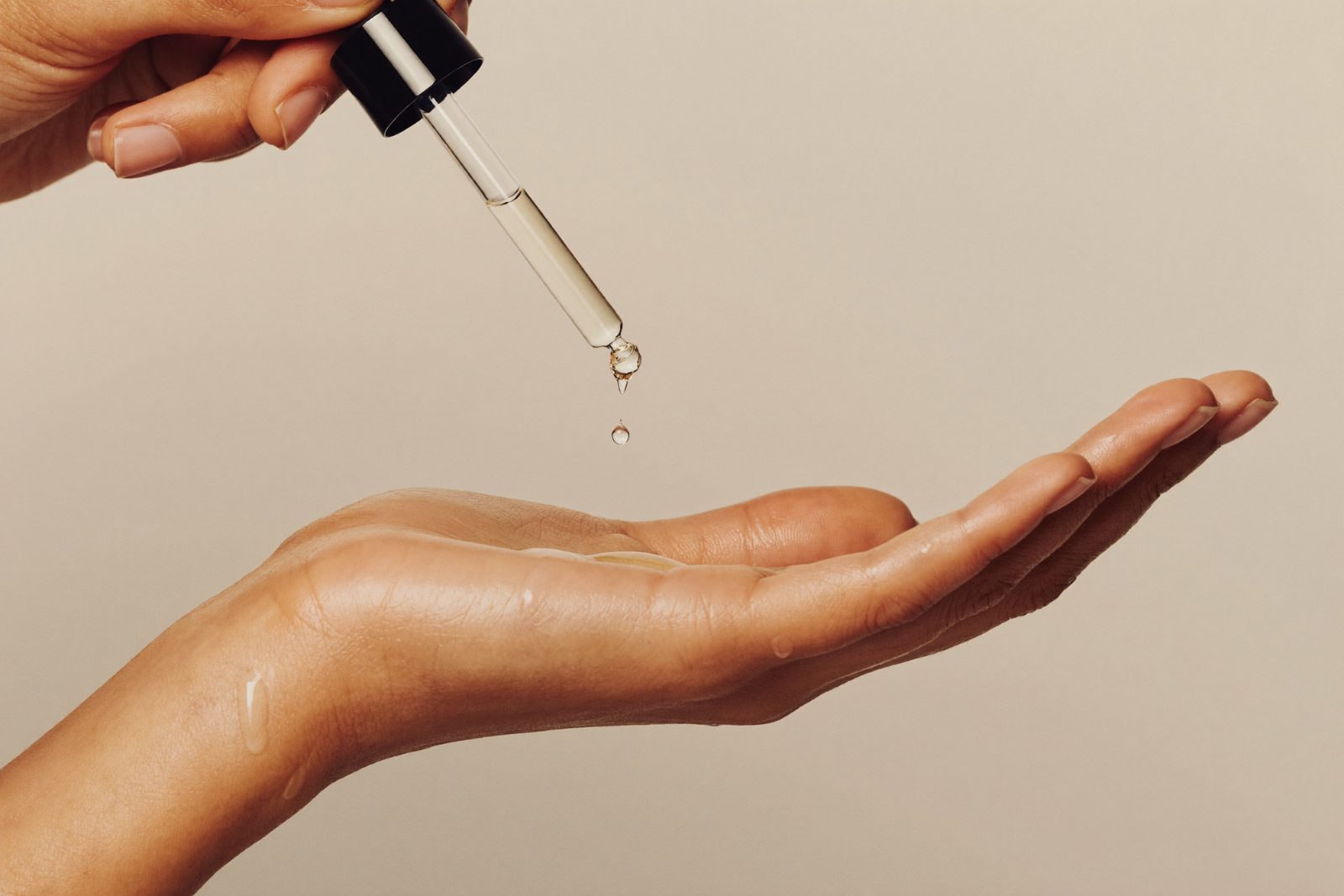
If skincare ingredients held popularity contests, niacinamide would win the congeniality award: it appears in half the serums on any shelf, plays nicely with everything, and claims an improbably long list of benefits. Unusually for skincare, most of the list is real. Here is what vitamin B3 actually does, what it does not, and how to use it without wasting money.
What it genuinely does
Four benefits carry solid evidence. It moderates sebum production over weeks, which is why oily and combination skin see pores appear smaller — the pore is not shrinking, it is simply less filled and stretched. It boosts ceramide production, directly feeding the moisture barrier — the quiet reason so many barrier-repair products lean on it. It calms visible redness and inflammation, useful for the perpetually pink. And it interrupts pigment transfer, gradually fading the marks blemishes leave behind — the brown ghosts that outstay the breakout itself. What it does not do: replace retinol for wrinkles, dissolve blackheads on contact, or transform anything in a fortnight. The marketing that promises otherwise is spending the ingredient’s honest reputation.
Using it well
Serums between 2% and 5% hit the sweet spot the studies actually tested — the double-digit percentages that dominate shelves are marketing arithmetic, not dosing science, and they explain most niacinamide irritation complaints. Once or twice daily after cleansing, before heavier layers, per the routine order rules. It slots into every schedule: alongside morning vitamin C (the old incompatibility claim was debunked years ago), on skin cycling recovery nights, under sunscreen, over retinol. If a moisturiser you own already lists it mid-ingredients, you may be covered without a dedicated serum at all — check before buying twice.
Frequently asked questions
Why did niacinamide make my skin sting?
Usually the percentage — 10%+ formulas flush and prickle on many skins. Step down to 5% or below, or get it via moisturiser instead of serum. Genuine niacinamide allergy is rare; overdosing is common.
Niacinamide or retinol for pores and texture?
Different jobs on different timelines: niacinamide manages oil and appearance now-ish; retinol remodels texture over months. They combine beautifully — niacinamide actually buffers retinol irritation.
Can I use niacinamide around my eyes?
Yes — it is one of the gentler brighteners for the area, and appears in most eye creams worth owning. Tap, do not drag, as our under-eye guide insists.
How do I know it is working?
Photograph your bare skin in the same light now and at week eight. Look for calmer redness, fewer lingering marks and a more even midday oil pattern — niacinamide’s wins are cumulative and easiest to see in evidence rather than the mirror’s daily memory.
Ingredient literacy is the cheapest upgrade in beauty — the newsletter delivers one honest deep-dive at a time.
Quick comparison: what niacinamide does for each concern
| Your concern | How niacinamide helps | When to expect results |
|---|---|---|
| Visible pores | Strengthens the barrier so pores appear tighter | 8–12 weeks |
| Redness and irritation | Calms inflammation; gentle enough for rosacea-prone skin | 4–8 weeks |
| Excess oil | Helps regulate sebum production | 4–6 weeks |
| Dark spots | Slows pigment transfer for a more even tone | 8–12 weeks |
| Dehydration | Boosts ceramide production to hold moisture in | 2–4 weeks |
These effects are well studied — see the Cleveland Clinic’s overview of niacinamide for the clinical background.
KEEP READING — niacinamide pairs beautifully with the trending repair ingredient everyone is asking about: PDRN, the salmon DNA serum, explained.