
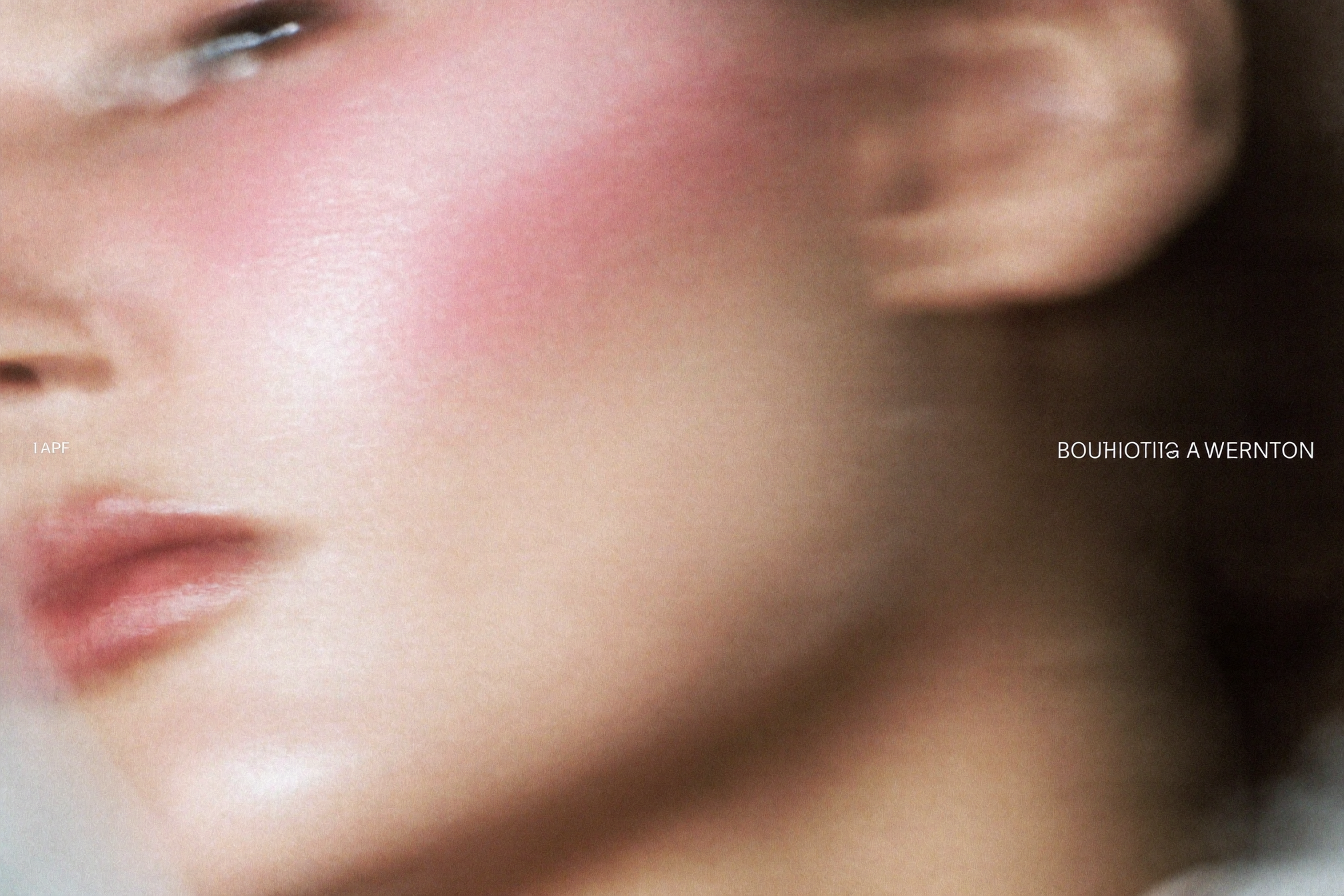
Every year one makeup finish escapes the pro world and takes over everything. Glass skin had its era. Matte had a decade. This year it’s cloud skin — the soft-focus, lit-from-within-but-blurred finish filling every feed right now — and unlike most viral techniques, this one genuinely flatters real skin with real texture. Here’s what it is and how to do it without buying a single ‘cloud’ product.
What cloud skin actually is
Think of it as the midpoint between dewy and matte: skin that glows softly but shows no distinct shine, like a photo taken through a diffusion filter. Where glass skin chased wet-look reflection — merciless on pores and texture — cloud skin scatters light instead of bouncing it. That’s why it photographs like a filter: it does optically what FaceTune does digitally. And it’s why makeup artists quietly love it for clients over thirty, mature skin, and anyone whose relationship with ‘dewy’ ends at lunchtime as ‘greasy’.
The technique, in four moves
One: hydrate properly, then a blurring (not gripping, not glowing) primer only where pores show. Two: a satin or semi-matte base applied thin — cream or liquid, never full matte powder foundation. Three: cream products for all colour — blush, bronzer, a cream highlighter placed high but blended until it’s a suggestion rather than a stripe. Four, the signature move: a light dusting of finely-milled translucent powder pressed over the T-zone and — this is the cloud part — a barely-there veil over the highlight itself. Powdering over glow sounds like sabotage; it’s actually the whole trick. The powder knocks the reflection down into a diffused radiance.
What to skip
Shimmer particles of any visible size, wet-look highlighters, and heavy setting sprays that re-melt everything into gloss. If a product name includes ‘glow drops’, save it for another day. Cloud skin is also forgiving on tools: a damp sponge for base and fingers for creams beat brushes here, because streaks are the enemy of blur.
Why this one is worth learning
Trends usually ask your face to look like someone else’s. Cloud skin just asks your skin to look like itself on an exceptionally good day — hydrated, calm, softly lit. It works at twenty and at sixty, on oily skin and dry, in photos and across a dinner table. That’s rare. Learn it once and it quietly replaces half the techniques you’ve been cycling through — which might be the most quiet-luxury thing a viral trend has ever done.
Cloud skin for photographs and events
The finish earns its reputation in front of cameras, and a few adjustments maximise it. Flash photography: cloud skin’s matte-adjacent surface avoids the flashback that dewy finishes and SPF-heavy bases produce, but check your powder is genuinely translucent — white-cast powders read ghostly under flash regardless of finish. Long events: build the powder veil in two whisper-thin passes rather than one, and carry blot papers instead of powder for maintenance; re-powdering over sebum creates the cakey texture the whole technique exists to avoid. Video calls flatter the finish enormously — the soft-focus effect reads as good lighting rather than makeup. For weddings, cloud skin has become the guest default for exactly these reasons, pairing with the endurance stack from our long-wear guide. Everyday minimalists can run the reduced version: skip primer, thin skin tint, cream blush, single powder pass down the centre — the philosophy of our 5-minute face wearing this season’s finish.
Frequently asked questions
Which powder works best for the cloud veil?
The finest-milled translucent loose powder you can access, applied with a small fluffy brush, pressed then swept. Dense pressed powders and big-puff application defeat the diffusion — thin is the entire trick.
Cloud skin on dry skin — possible?
Yes, with hydration underneath doing the heavy lifting: a plumping serum and moisturiser, then the technique as standard but the powder veil kept to the T-zone and highlight only. Dry cheeks can keep more of the cream glow.
How is this different from the classic matte look?
Full matte flattens all dimension; cloud keeps the glow architecture — cream highlight, lifted blush — and diffuses only the surface. The result has depth that reads on camera, where flat matte reads like a mask.
For the clinical baseline on this, see the AAD’s guidance on sun-damaged skin.
KEEP READING — compare glass skin vs cloud skin and nail your base with foundation matching rules that save money.