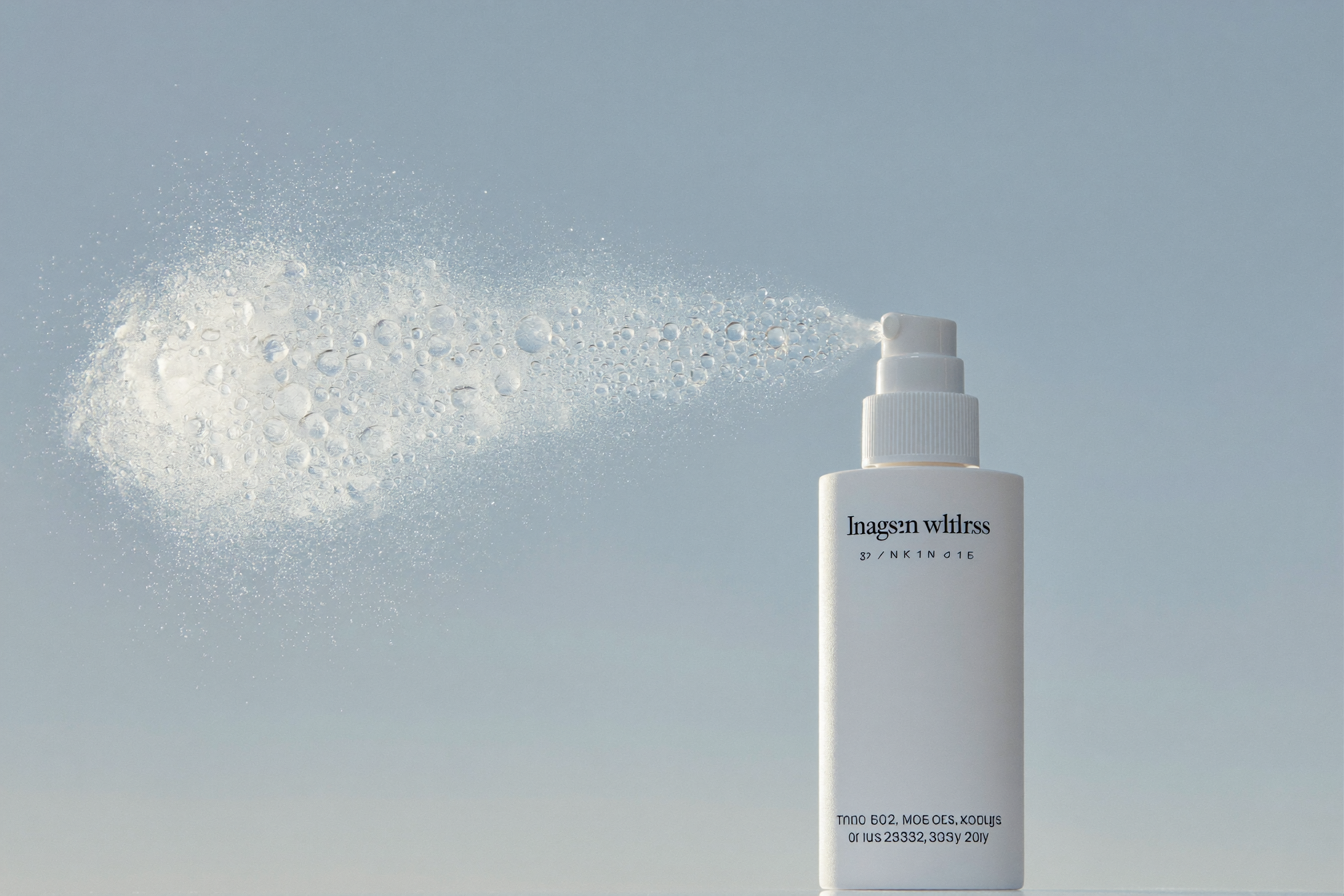
Hypochlorous acid (HOCl) sprays have moved from clinical skin care into everyday routines. The ingredient has antimicrobial properties, but the evidence for a particular facial mist depends on its formulation and the condition being treated. Here is what the research supports, where it is limited, and how to use a product according to its label.
What it is
Hypochlorous acid is one of the compounds produced by immune cells. Stabilised topical formulations have been studied in wound care and some inflammatory skin conditions. A 2018 clinical review reports antimicrobial and anti-inflammatory activity, while stressing that pH and formulation stability affect how a product behaves on skin. Those findings cannot be assumed to apply equally to every cosmetic spray.
What it’s actually good for
Certain HOCl formulations are used by clinicians for wound and eyelid care. That is a different claim from saying a cosmetic face mist will prevent acne after exercise, repair an over-exfoliated barrier or calm wedding-day redness. If you like a facial spray, treat it as an optional addition and watch how your own skin responds. For persistent acne, significant irritation or a wound, seek care from a qualified clinician.
What it won’t do
It won’t dissolve blackheads, fade pigmentation, replace your cleanser, or out-perform a prescription for persistent acne. It’s a supporting actor — a very good one — not a headliner. Anyone selling it as a miracle for everything is selling the bottle, not the chemistry.
How to choose and use one
Choose a product labelled for the area you intend to use, and follow its directions for application and storage. Formulation, pH and stability matter; a concentration number alone does not establish clinical benefit. Check the expiry date and avoid using a discoloured or otherwise altered product. Do not mix the solution with other chemicals or apply it to an eye or open wound unless the product specifically says it is suitable for that use.
The verdict
HOCl is a real antimicrobial with clinical applications. The leap from those applications to broad promises for cosmetic sprays is where the evidence thins. If a labelled facial mist suits you, it can be a personal preference in a simple routine. It is not an essential step, a substitute for acne treatment or a guarantee of calmer skin.
Where it fits into an existing routine
If you use a face mist, apply it in the order directed by its label and let it dry before other products if instructed. A spray after exercise is no replacement for washing off sweat and sunscreen when you can. It does not take the place of a gentle cleanser, moisturiser, sunscreen or prescribed treatment. If a retinoid or exfoliant has left your skin irritated, simplify your routine and ask a clinician for advice if symptoms persist.
Our honest take on hypochlorous acid
Hypochlorous acid sprays are gentle, pleasant and generally well tolerated, which is why they have become so popular. Most of the strongest evidence comes from wound care and eyelid hygiene, rather than everyday skincare. We see it as a useful supporting step for irritated or breakout-prone skin, not a replacement for proven acne or rosacea treatment.
When to see a dermatologist
- Acne or redness is persistent, painful or leaving marks.
- You have red, sore or crusty eyelids. An eye doctor or dermatologist can advise on eyelid hygiene products.
- A cut, wound or rash is not healing or shows signs of infection, such as warmth, swelling or pus.
Frequently asked questions
Can hypochlorous acid replace my toner?
A toner is optional. If your current one supplies hydration or exfoliating ingredients, a HOCl spray is a different product. Choose by what your skin tolerates, and do not assume an antibacterial label means it treats acne.
Is it safe around eyes and on children?
Some products are specifically formulated for eyelid hygiene or wound care. Do not infer that a general cosmetic face mist is suitable for eyes or for children; check the exact label. Ask a clinician about use on a child, near an eye, on broken skin or alongside a medical treatment.
Why does my bottle smell faintly of pools?
Formulations can have a faint chlorine-like scent. Follow the manufacturer’s storage instructions and expiry date. If the product changes appearance or smell, contact the maker or replace it rather than guessing whether it is still stable.
For background, read the 2018 clinical review of topical HOCl formulations. A 2021 acne trial studied 0.005% sodium hypochlorite, which is not the same as proof for every HOCl cosmetic mist. This guide is general information, not individual medical advice.
To decide where a mist belongs, start with our morning and evening skincare routine order. If products leave your skin tight or uncomfortable, our moisture barrier guide explains why simplifying the routine may help.